
Protecting Your Legacy in Martin County
Estate Planning Attorney in Stuart, Florida
Plan your legacy with confidence. Eannarino Law, P.A., provides personalized wills, trusts, and estate planning services for families and business owners across Stuart and Martin County.
Comprehensive Estate Planning
Probate Administration Expertise
Real Estate & Title Services
Business Succession Solutions
Estate Planning Guidance for Stuart and Martin County Families
Eannarino Law, P.A. is a trusted estate planning firm serving Stuart and the surrounding Martin County communities, including Palm City, Jensen Beach, and Hobe Sound. We help families and business owners protect their assets, preserve their legacies, and gain peace of mind through customized wills, trusts, and comprehensive estate plans. With strong local ties and a client-first approach, our firm is dedicated to guiding you every step of the way.
Our Core Legal Services in Stuart, Florida
Estate Planning
Creating custom wills, trusts, and estate plans for families across Stuart, Palm City, Jensen Beach, and Hobe Sound. Protect what matters most with proactive legal guidance.
Probate Administration
Providing compassionate probate guidance for Martin County families. We simplify the court process, resolve disputes, and administer estates with care.
Real Estate & Title Services
Providing reliable real estate and title services throughout Martin County. From deed preparation to closings, we help you safeguard your property and ensure every transaction runs smoothly.
Community Connections
Serving Stuart, Palm City, and Hobe Sound with Dedication
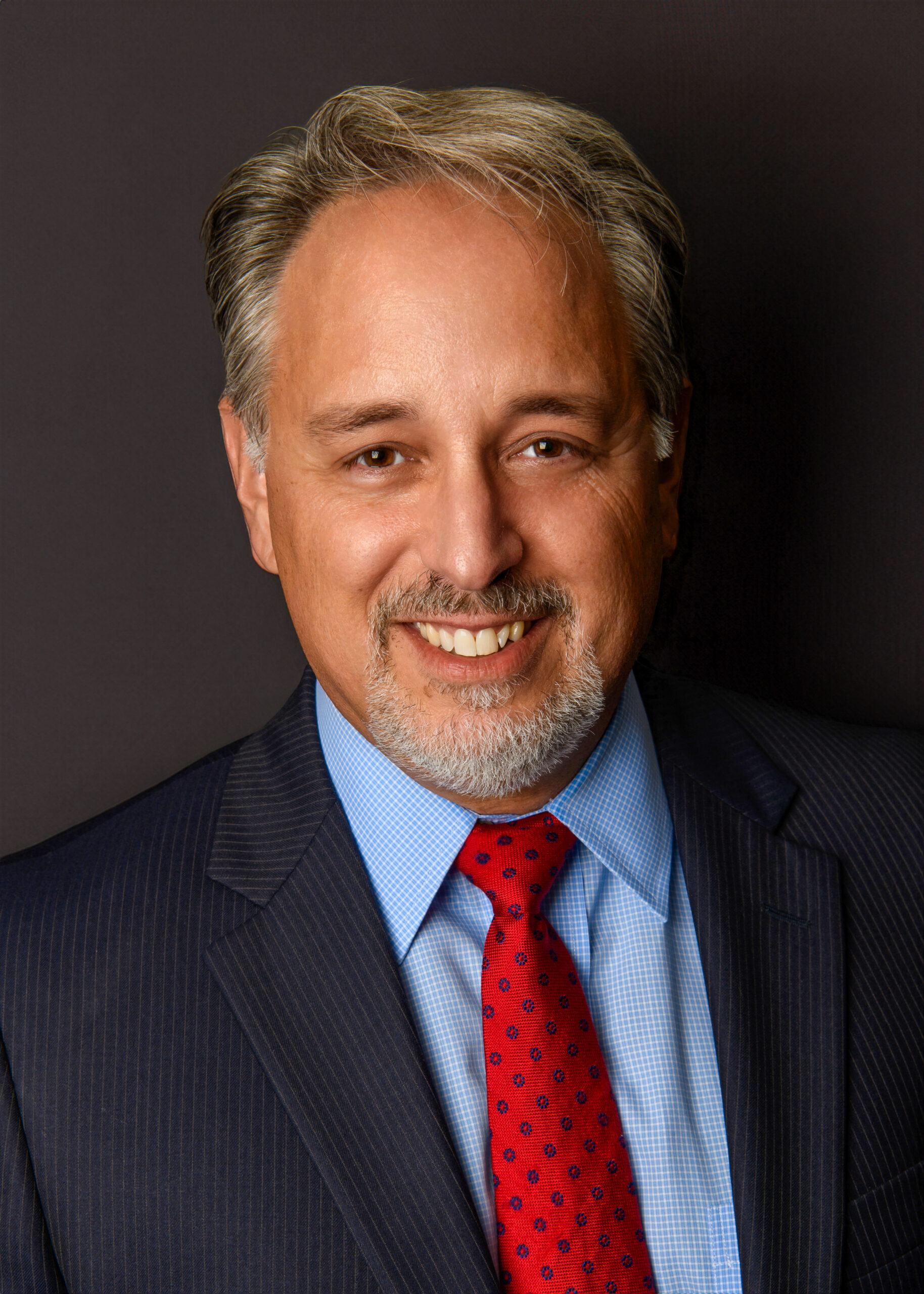
Jeff Eannarino, Esq.
At Eannarino Law, P.A., we take pride in being part of the Martin County community. Our firm has built lasting relationships by helping families and business owners in Stuart, Palm City, and Hobe Sound protect what matters most. Every client receives personal attention and trusted legal guidance grounded in integrity and professionalism. With a deep understanding of Florida law, Jeff and his team strive to protect the interests and assets of families and business owners across Martin County and beyond.
Your Estate Planning Questions Answered
Understanding estate planning and probate in Florida can feel overwhelming. At Eannarino Law, P.A., we answer the most common questions from Stuart, Palm City, and Hobe Sound residents to help you make confident, informed decisions about your family’s future. Here are some typical questions we see regularly to help you navigate this important process.
1. What is an estate plan, and why do I need one?
An estate plan is your roadmap for protecting your family and assets. It outlines who will manage your affairs, care for dependents, and receive your property. Without one, state law decides for you. Our goal is to make the process simple, personal, and stress-free—often through a convenient, secure Zoom video conference.
2. What documents are included in a complete estate plan?
A thorough estate plan often includes a will, a revocable living trust, durable power of attorney, healthcare directives, and beneficiary designations. Each plan is customized to your goals, lifestyle, and family structure so you can feel confident your legacy is protected.
3. How often should I update my estate plan?
We recommend reviewing your plan every three to five years, or whenever major life events occur—such as marriage, divorce, a new child, or a move. Updating ensures your plan reflects your current wishes and Florida’s latest laws.
4. Can I create an estate plan without visiting your office?
Absolutely. Most client meetings are conveniently held via secure Zoom video conference. You can review documents and sign electronically when possible, or have a mobile notary come to your home or place of business—saving time while still receiving the same personal attention you’d get in person.
.
5. What happens if I die without a will in Florida?
If you pass away without a will, Florida’s intestate laws determine how your assets are divided—often in ways that may not match your wishes. Having a will ensures your loved ones receive what you intend and can help them avoid unnecessary court delays.
6. What is the difference between a will and a trust?
A will directs how assets are distributed after death, while a trust can manage and protect those assets during your lifetime and beyond. Trusts often help families avoid probate, maintain privacy, and reduce stress for heirs.
7. Do I still need a will if I have a trust?
Yes. A will acts as a safety net for any assets not titled in your trust. It can also name guardians for minor children and ensure a seamless transition for your loved ones.
8. What is probate, and how can I avoid it?
Probate is the court-supervised process for distributing a person’s assets after death. It can be time-consuming and costly. By establishing a properly funded trust, joint ownership, or beneficiary designations, many families can reduce or eliminate probate entirely.
9. Can Eannarino Law help with probate if a loved one has passed?
Yes. We guide families through every step of Florida’s probate process—from filing initial documents to closing the estate. Whether you’re local or out of state, we often handle the entire process remotely to minimize stress.
10. What is a power of attorney, and why is it important?
A durable power of attorney allows someone you trust to manage your finances and legal matters if you become unable to do so. It’s one of the most critical documents in an estate plan—protecting your interests before incapacity ever becomes an issue.
11. How can I plan for long-term care or incapacity?
We help you prepare for life’s “what ifs” with healthcare directives, living wills, and financial powers of attorney. These tools ensure your wishes are followed and your family can act confidently without legal hurdles..
12. Can Eannarino Law assist business owners with estate planning?
Yes. We create succession strategies for business owners that preserve company value, reduce tax exposure, and ensure a smooth transition. Whether you’re a sole proprietor or have partners, we’ll design a plan that safeguards your business legacy.
13. How long does the estate planning process take?
Most clients complete their plans within two to three weeks. Because we meet virtually, scheduling is flexible—you can complete your entire plan from the comfort of home.
14. How do I get started with Eannarino Law?
Schedule your complimentary consultation today. We’ll discuss your goals, explain your options, and outline the best plan for your family or business. Most client meetings are conveniently held via secure Zoom video conference.
15. Who should I choose as my executor, trustee, or agent?
Selecting the right person is essential. Your executor or trustee carries out your estate plan and manages your assets after your passing. We’ll help you evaluate trusted individuals or professionals who can handle these responsibilities with integrity and care.
16. How do beneficiary designations affect my estate plan?
Certain assets — such as life insurance, retirement accounts, and bank accounts — transfer directly to your named beneficiaries. Keeping these designations current ensures your estate plan works exactly as intended and prevents costly conflicts or oversights.
17. What happens to my debts after I pass away?
In most cases, your debts are paid from your estate before distributions are made to your beneficiaries. Family members typically aren’t responsible for debts unless they co-signed. We can guide you on how to structure your plan to protect your loved ones from financial surprises.
18. Are digital assets included in my estate plan?
Yes — and they’re increasingly important. Digital property, such as online accounts, cryptocurrency, and stored files, should be listed and assigned in your estate plan. We help ensure these assets are accessible and protected for your loved ones.
19. How often should I review my estate plan?
It’s best to review your plan every few years or after significant life changes— such as marriage, divorce, the birth of a child, or a move to a new state. Regular updates ensure your plan remains current with both your goals and Florida law.
20. Why shouldn’t I rely on online forms or DIY templates?
Online templates and other form documents often omit key Florida-specific requirements, such as witness and homestead rules. Moreover, the documents state repeatedly, “not prepared by an attorney.” Form documents likely will not conform to your unique family needs. These mistakes can lead to invalid documents or unexpected results. Working with an experienced attorney ensures your plan is both legally sound and fully customized.
21. Do I need tax planning as part of my estate plan?
Even though Florida has no state estate tax, federal taxes may still apply to larger estates. Strategic planning can help minimize those taxes and preserve more of your legacy for future generations.
22. How do I fund my trust after it’s created?
Creating a trust is only the first step — you must also transfer ownership of your assets into it. We’ll help you properly retitle your property, accounts, and investments to ensure your trust avoids probate.
Understanding estate planning and probate in Florida can feel overwhelming. At Eannarino Law, P.A., we answer the most common questions from Stuart, Palm City, and Hobe Sound residents to help you make confident, informed decisions about your family’s future. Here are some typical questions we see regularly to help you navigate this important process.
Secure Your Future with Expert Guidance


